Mediation in New Zealand has developed into a well-recognized and widely practiced form of alternative dispute resolution (ADR). It is guided by a mix of professional standards, court rules, and statutory frameworks that emphasize fairness, party autonomy, and cost-effective dispute settlement.
1. The Rules that Mediation Relies On
Unlike court litigation, mediation in New Zealand is not governed by a single statute across all contexts. Instead, several sets of rules and guidelines apply depending on the dispute type:
a) NZDRC Mediation Rules: These rules, used by the New Zealand Dispute Resolution Centre, provide a structured framework for commercial and civil mediations. They cover appointment of mediators, procedures, confidentiality, and settlement agreements.
b) AMINZ and Resolution Institute Protocols: The Arbitrators’ and Mediators’ Institute of New Zealand (AMINZ) and the Resolution Institute set ethical standards, model rules, and best practice guidelines for mediators and mediation processes.
c) Court Rules: Under the District Court Rules and High Court Rules, a judge may encourage parties to attempt mediation. In family disputes, Family Dispute Resolution (FDR) is required in most parenting and guardianship cases before filing in Family Court (unless exemptions such as violence or urgency apply).
d) Statutory Schemes : Some sectors (e.g. employment, tenancy, building, insurance, financial services) have specific legislation requiring or encouraging mediation before escalating disputes.
2. What is a Qualified Mediator?
In New Zealand, there is no single legal definition of “mediator,” but professional accreditation ensures quality:
a) AMINZ Accreditation: AMINZ offers accreditation pathways. Mediators must demonstrate training, supervised practice, ongoing professional development, and adherence to AMINZ’s code of ethics.
b) Resolution Institute Accreditation: Requires formal training, assessment, and continuing professional development.
c) Specialist Mediators – In fields like family (FDR), employment, or construction, mediators must meet additional statutory requirements and be approved providers.
Key Qualities: Beyond formal accreditation, a qualified mediator is expected to be neutral, impartial, skilled in managing dialogue, knowledgeable about mediation principles, and able to create a safe, respectful environment.
3. The Procedures Mediation Follows in New Zealand
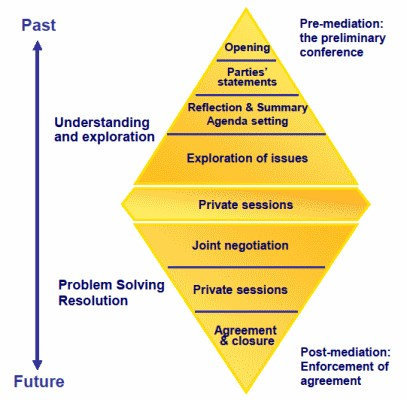
4. What Participants Need to Do and Be Aware Of
Before Mediation
a) Prepare well: Understand your own goals, legal rights, and bottom line. Bring necessary documents.
b) Choose the right mediator: Consider subject-matter expertise, cultural awareness, and mediation style.
c) Commit to good faith: Be willing to listen, explore options, and compromise.
During Mediation
a) Respect process rules: Let others speak without interruption, keep confidentiality, follow mediator’s guidance.
b) Focus on interests, not positions: Move beyond demands (“I want X”) to underlying needs (“I need security/clarity/fairness”).
c) Use private caucuses wisely: Share concerns openly with the mediator, test options.
At Agreement Stage
a) Check details carefully: Ensure the settlement terms are clear, practical, and reflect true agreement.
b) Seek legal advice if needed: Especially for binding contracts or family/employment settlements.
c) Record in writing: A signed settlement prevents future disputes about what was agreed.
After Mediation
a) Follow through promptly: Implement the settlement terms.
b) Reflect on the process: Learn from it for managing future disputes earlier and more effectively.
Mediation in New Zealand is shaped by professional rules, ethical standards, and court-endorsed practices. It relies on qualified mediators to maintain fairness and neutrality, follows a structured but flexible procedure, and requires active, good-faith participation from parties. When used effectively, it offers a faster, more confidential, and relationship-preserving alternative to litigation, yet with the ability to produce enforceable agreements where needed.